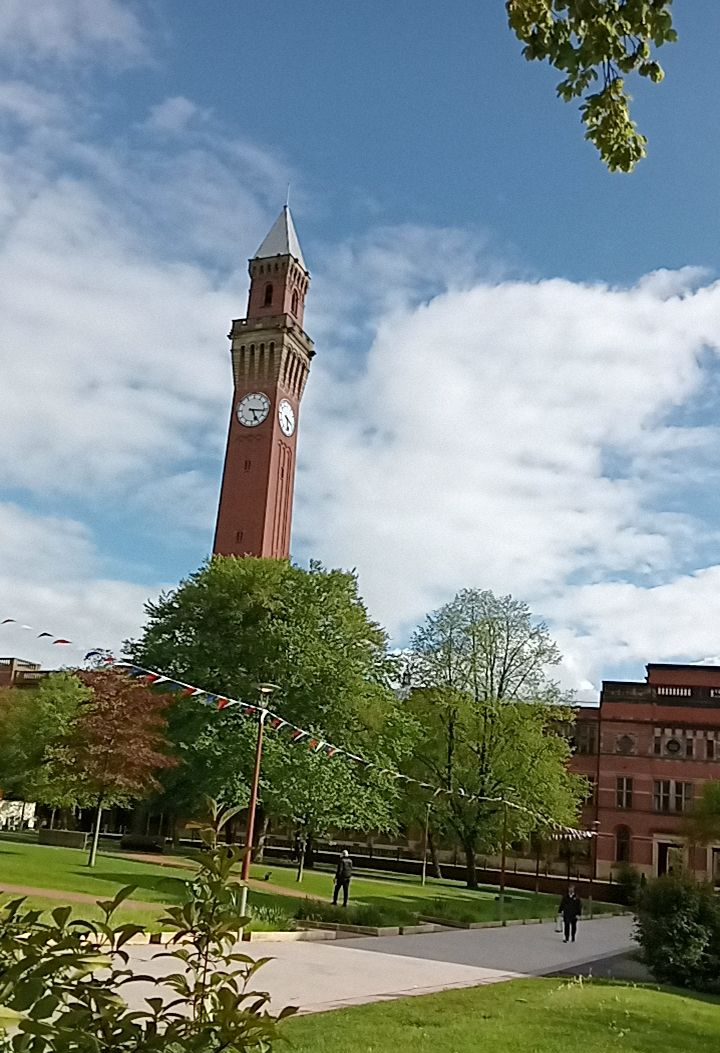
I’m Stella. I’m 23 years old, living back at home in sunny South Wales after completing my Bachelor’s and Master’s degrees in English Literature at The University of Birmingham. I write as well as read, and having spent the last 4 years writing essays about books I love, I decided to start a blog to continue doing that! I miss writing about literature that I’m passionate about, and thought this would be a fun space to keep talking about it – just without the pressure of being marked by my tutor.

During my time as an undergrad I covered a huge range of time periods, studying literature from the Medieval period all the way up to Modernism and contemporary literature. During the summer between second and third year I began coming up with ideas for what I would write my dissertation about. I thought about what themes most interested me and the books I loved the most. From the first time I read Charles Dickins’ Great Expectations I have adored little Pip. I felt such a connection to his character and saw so much of myself in him, and continue to do so, for better or for worse. I remember telling my mum when I finished it that I felt I had ‘a Pip shaped hole in my heart’. I resonated with Pip’s narration of his anxiousness and the intensity of his guilt throughout his childhood, and more recently I resonate with his desire to move to the big city and strive for success, as well as the pains of heartbreak. I subsequently decided my passion towards Dicken’s novel had the perfect opportunity to be explored. While I felt strongly about the intensity of Pip’s emotions and the vulnerability of his narration, I ended up refining my argument into writing about the theme of justice throughout the novel to explore whether any legal, personal, or poetic justice is met. I combined my discussion with Thomas Hardy’s Tess of the D’Urbervilles, a novel which I had recently read and similarly felt strongly about, deciding it would intertwine well with the themes of my essay. While I was reading Tess, I constantly found myself aching for her and the unjustified obstacles she was faced with. In Hardy’s novel, her fate conveys a societal commentary that exposes the cruelty of our misogynistic world. In the novel, Tess acts as a puppet to undergo every possibility that could go against her so as to demonstrate the inherent struggles women face. Hardy’s relationship with women is complicated, when considering his personal life, but that can be explored another time.
Ever since I realised I loved literature I have always wanted to read the Classics and anyone who had made an impact on literature. I just wanted to consume it all – but ‘all’ is infinite. I sit here writing this with two piles of unread books in my room because I cannot read quickly enough. I think every book worm is guilty of buying more books than they are able to read at any one time. But it’s comforting to have them in your home.
There’s just something about the Victorians. I’ve always been fascinated by the Victorians. I remember in primary school having to make a portfolio of all the Victorian history in my little Welsh town. The tram rails, the lime kilns, the old schools. It’s like they still walk among us. We associate the Victorian era with ghosts, fog, a flickering flame, footsteps down the hallway getting closer and closer, creepy children, modest fashion, the secrecy of a woman’s libido (but the expressiveness of a man’s). I could go on. A Victorian setting is a statement, and while neo-Victorian novels and media are as captivating as they are, there’s nothing like real Victorian fiction. And if there’s one thing they’re known for, it’s a good ghost story. The Victorian era and the rise of the gothic genre are intertwined, and are both things that have always intrigued me. I’ll explore the idea of gothicism and morbid curiosity in more detail another time. Great Expectations and Tess both present gothic elements in their narratives, and I think that’s part of what drew me to them in the first place. The acknowledgment of life’s daily dreads and the amalgamation of this into one’s nightmare is terrifying, but intriguing.
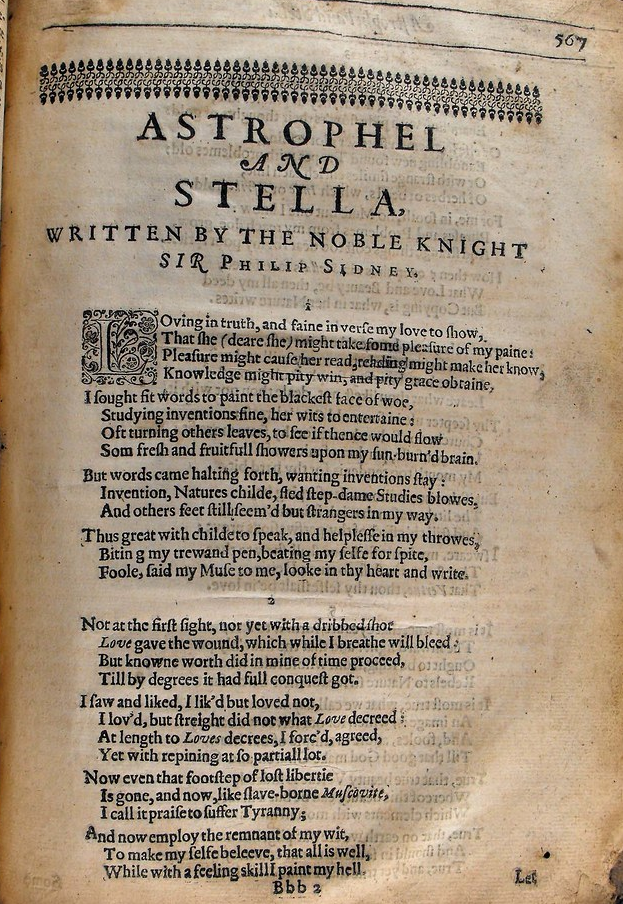
During my second year of undergrad I took a Renaissance Poetry module, in which we analysed a handful of sonnets from Philip Sidney’s Astrophil and Stella. I adored this module and I wish we could have spent more time on it. Every sonnet I read had me wanting to read the next. So when the time came to start thinking about my MA dissertation subject, I found myself drawn back to it. I initially just loved how Sidney used his words and what beautiful poetry he could create. The emotion he packed into every line and the empathy he draws from you. Every sonnet is intricate, and mesmerising. I started reading through them again and began carving out my argument, the most prominent theme obviously being his portrayal of women. I always tend to find myself leading almost every essay I write back to feminism! It’s a side of society I’m passionate about so I think I subconsciously seek aspects of it out whenever I’m reading, and misogyny is so engrained in society that literature acts like a diary documenting how out perspective of it has evolved through time. I am therefore fascinated by my own fascination towards this sonnet sequence and was itching to analyse the way it balances it’s portrayal of love and the beauty in the way this is done, with Sidney’s portrayal of the female protagonist.
Designed with WordPress
 Love Literature